GameStop Could have been Steam’s Biggest Rival, but…
GameStop was once in the midst of such an opportunity that, looking back today, it’s hard to believe. They were in a position to create a truly formidable competitor to Steam, and had even taken concrete steps in that direction. But sometimes, it’s not about seeing the opportunity, it’s about believing in it. That’s exactly where GameStop stumbled. Because at a time when everyone was slowly realizing the future, they still believed the past would return.
How to Miss an Opportunity Right Before Your Eyes?
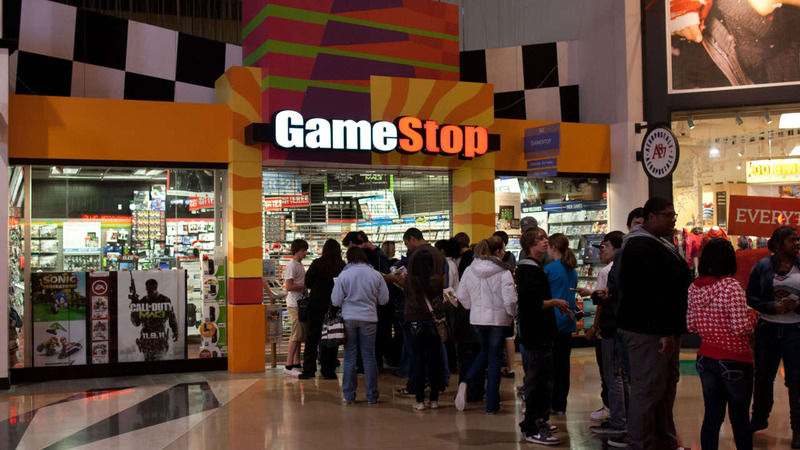
GameStop could have been Steam’s biggest rival, but what makes this story interesting isn’t the failure, but the misconception. Because there wasn’t a failed experiment; on the contrary, there was a system established at the right time and in the right place. But that system wasn’t pursued, wasn’t grown, wasn’t supported. And most importantly, it wasn’t taken seriously.
Looking back now, everything seems very clear. Digital distribution was inevitable, games would no longer come from discs but from the internet, players would buy games with a single click instead of going to stores. But this clarity wasn’t there then. At the time, these ideas seemed a bit “too far-fetched.” And that’s exactly where some invested in the future, while others chose to wait, saying “it will pass eventually.” GameStop was on the waiting side.
Where It All Began: The World Before Steam
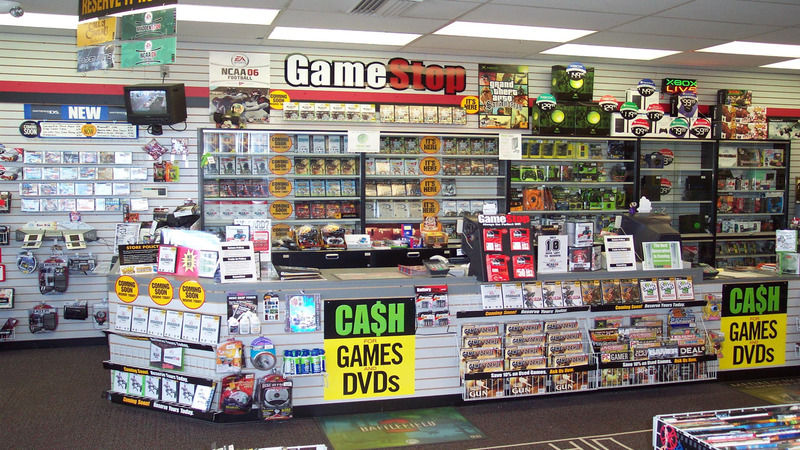
Today, it’s so commonplace to open Steam and download a game in seconds that we forget it once seemed like a dream. In the early 2000s, buying a game was truly a physical experience. You went to the store, picked up the box, and inserted the CD or DVD into your computer. Sometimes, the installation even took hours. Owning a game was something tangible.
But within this system, some people began to think differently. Some said, “This can also be done online.” Stardock was one of the companies that acted on this idea. As early as 2001, they started including the idea of selling games digitally in their contracts. At the time, this was a detail that almost nobody cared about.
But in fact, this small detail was the foundation of the future. Because the door to digital distribution was opened at that moment. It’s just that nobody had yet realized how big it would become.
Impulse: The Right Idea at the Wrong Time
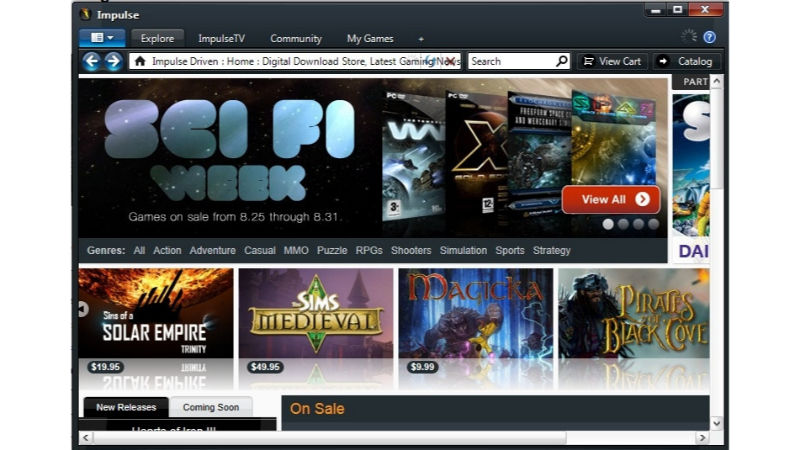
Over the years, this idea began to take shape, and Impulse emerged. This platform was essentially an early version of the digital stores we know today. You could buy, download, and play games online. It sounds simple, but it was quite radical for its time.
When Impulse launched in 2008, it was actually in the right place. Because Steam wasn’t yet as dominant as it is today, the digital market was just beginning to grow, and there was room for competition. So, there’s no “too late” situation in this story. On the contrary, the timing was excellent.
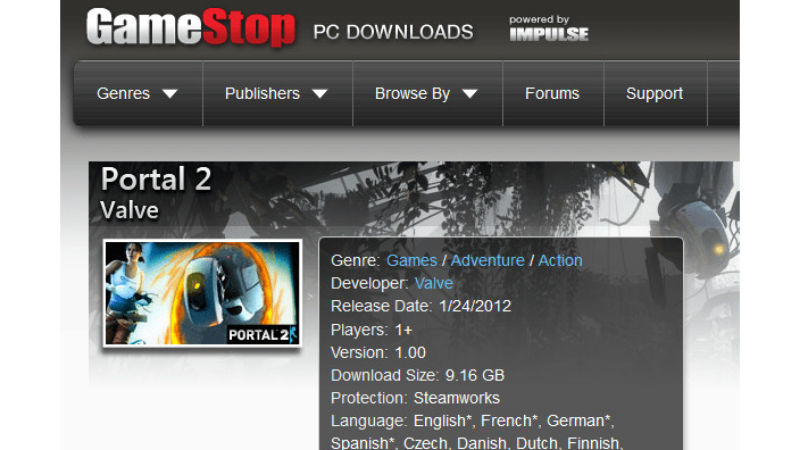
Then GameStop enters the scene. In 2011, they buy Impulse, and the same question arises in everyone’s mind: “Will this really grow?” Because GameStop was the king of physical game sales at the time. They had stores, a customer base, brand power… everything.
And that’s where the story breaks.
That Breaking Point: “This Is Just Temporary”
GameStop’s biggest mistake wasn’t a technical error. It wasn’t a software error, it wasn’t a strategy error. It was something simpler, but more dangerous: a mistake of belief.
The company believed that digital distribution was temporary. They thought players would return to physical stores. In other words, they were referencing the past, not the future. They said, “This business won’t grow.” And that sentence actually determined Impulse’s fate.
Therefore, the necessary investment wasn’t made in the platform. Development slowed down, innovations didn’t arrive, and the system remained stagnant. Meanwhile, Steam was doing the opposite. It was constantly evolving, adding new features, and improving the user experience.
Two different approaches, two different results.
Why Did Steam Win?
Steam’s advantage isn’t just that it was “early.” The real difference is this: Steam didn’t just sell games, it created an environment.
Friend lists, achievements, mod support, community pages, user reviews… These seem small, but they actually make the platform a living place. Players go to Steam not just to buy games, but also to spend time.
GameStop, on the other hand, was still looking at it with a store mentality: sell the product, send the customer away. But this model doesn’t work in the digital world. Because people don’t just want to buy, they want to belong.
And Steam delivered exactly that.
A “What If?” Story

It’s interesting to even consider this: What would have happened if GameStop had actually invested in Impulse?
Perhaps Steam wouldn’t be so dominant today. Perhaps the competition would be much fiercer. Perhaps prices, campaigns, and systems would have developed very differently.
But this scenario never materialized. Because GameStop didn’t take that possibility seriously. And sometimes, not doing something has bigger consequences than doing it wrong.
Seeing the Future Isn’t Enough, You Have to Believe In It
GameStop could have been Steam’s biggest competitor, but this story shows us this: Seeing the future isn’t enough, you have to believe in it.
Because Impulse existed. The system existed. Even the timing wasn’t bad. The only thing missing was vision.
Looking at where Steam is today, this story isn’t just about a missed opportunity. It’s also one of the biggest “what if?” stories in the gaming industry.
And perhaps the most striking part is this:
GameStop could have been a part of this future.
But it chose not to be.
Read More: Why will GTA 6’s Production Cost be so High?