PlayStation 6 Will Push the Boundaries in Ray Tracing
Although the PlayStation 6 hasn’t been officially announced yet, leaks and industry commentary have already sparked intense debate about the console’s technical aspects. The claim of “10 times more power” in ray tracing performance sounds quite ambitious at first glance. However, there are differing opinions on what such figures actually mean in practice.
How Should PlayStation 6 Ray Tracing Power Be Interpreted?
The claim of “10 times more ray tracing performance” for the PlayStation 6 doesn’t directly mean a proportional increase in FPS. According to industry insider KeplerL2, such statements are often misinterpreted. In other words, a game that runs at 30 FPS on PS5 won’t necessarily run at 300 FPS on PS6.
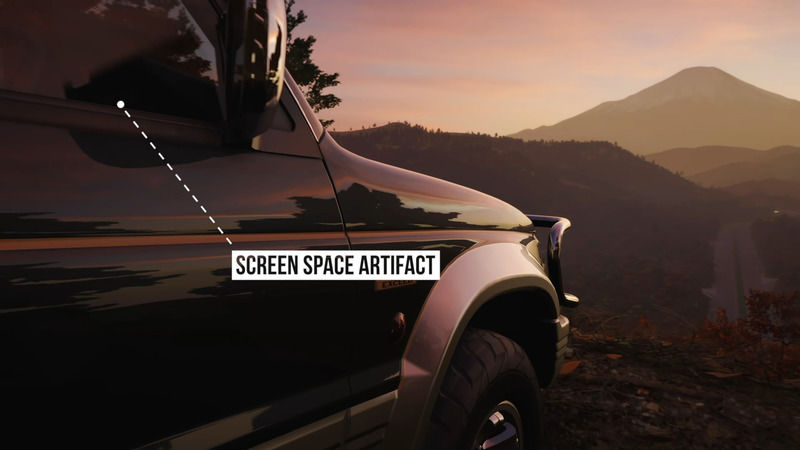
The technical examples given show that the difference is mostly in processing times. While the frame rendering time on the PS5 is around 5 milliseconds on average, it is said that this value could drop to approximately 1.35 milliseconds on the PS6. This theoretically equates to about a 3x FPS increase. So, “10x RT power” doesn’t directly mean “10x performance.”
The reason for this difference is quite simple: a game’s performance doesn’t depend solely on ray tracing calculations. Rasterization and the overall computational load still make up a large part of the total processing time. Therefore, even if there is a big leap in ray tracing, the overall performance increase remains more limited.
Nevertheless, the picture is not to be underestimated. The difference is expected to be more noticeable on the PlayStation 6, especially in scenes using more intensive ray tracing or path tracing. Based on current information, it seems that Sony aims to significantly improve visual quality in the next generation; however, how this increase will be delivered with balance is currently the most critical question.
Read More: THQ Nordic is Preparing to Introduce 7 New Games for the Switch 2