RPG Players are More Prone to Post-Gaming Depression
The feeling of “what do I do now?” after a game ends is familiar to most of us. It’s especially difficult to detach from a world you’ve spent a long time in. A new study examines the behaviors behind this feeling, revealing that certain genres create this effect more strongly.
Why RPG Games Have a Stronger Impact
According to the Post-Game Depression Study, RPG games create the most intense feeling of “post-game emptiness” in players. Researchers say the main reason for this is the player’s control over the character and story. In other words, you’re not just watching, you’re directly shaping it.
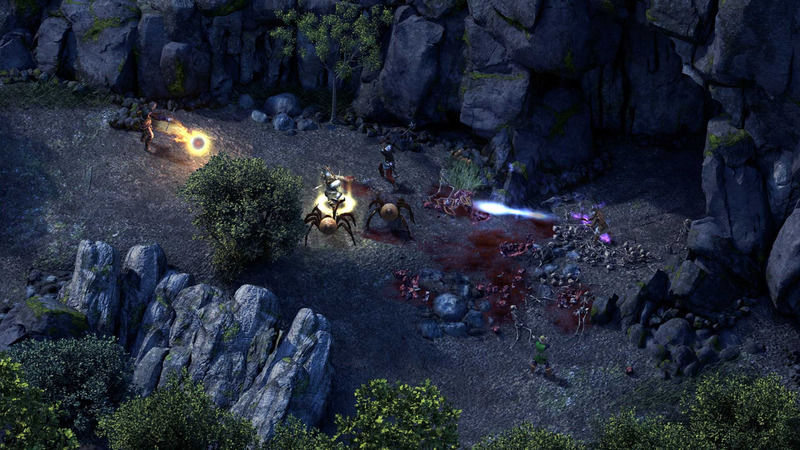
In these types of games, the bond you form with your character is much stronger. The decisions you make, the story you experience, and the relationships you build make you a part of the game. When the game ends, this bond suddenly breaks, naturally creating a “feeling of separation.” The study likens this to the end of a significant period in life.
Another point highlighted in the study is that players have difficulty focusing on anything else after the game ends. Behaviors such as a decreased desire to start a new game, constantly thinking about the same game, or a strong urge to replay it are described as part of this process. Clearly, these symptoms are quite familiar, especially for those who enjoy story-driven games.
Of course, there’s an important balance here. This isn’t exactly the same as clinical depression; it’s more considered a temporary feeling of emptiness following an intense connection. But still, it’s possible to say this: when RPG games draw you in, it can be just as difficult to get out. And perhaps that’s part of what makes them so special.
Read More: New Trailers for the Wolverine Game are on the way