The Culture of Giving Game Recommendations Among Friends
Friends are often better at giving game recommendations than algorithms. They know each other’s habits, moods, and favorite ways of playing games; so their recommendations feel personal, not random.
One friend might know who’s looking for a quick evening game, while another knows who wants a long weekend adventure. This personal connection adds more value to the recommendations. In a world full of trailers, clips, and ads, recommendations from friend to friend still stand out because they involve trust, context, and a genuine understanding of what someone will truly enjoy.

Why Do Friends Still Outperform Store Algorithms?
Algorithms can track genres and playtimes, but they can’t fully read the reasons why people connect with a game. A friend might say, “This has the same tempo as the game you loved last winter,” and that small detail might be enough. Similarly, practical tips are shared just as frequently among gamers as game recommendations.
If someone is planning a co-op weekend, topping up their Xbox gift card can be a simple way to grab a game, buy add-ons, or meet the subscription deadline without slowing down the plan.
This habit says a lot about modern gaming culture. Recommendations now come packed with suggestions on price, timing, and accessibility. Friends share links, compare versions, and check region details before anyone pays. Recommendations are no longer just about what to play; they’re also about how to get in quickly, how much to spend, and which option will suit that player’s setup.
Shared Tastes Create Stronger Gaming Circles
A recommendation can shape the routine of an entire group. One player tries a game, likes it, and suddenly four people are talking about character builds, maps, and weekend sessions.
This chain reaction keeps communities active. It also allows smaller productions to get a real chance through word-of-mouth, rather than massive marketing campaigns.
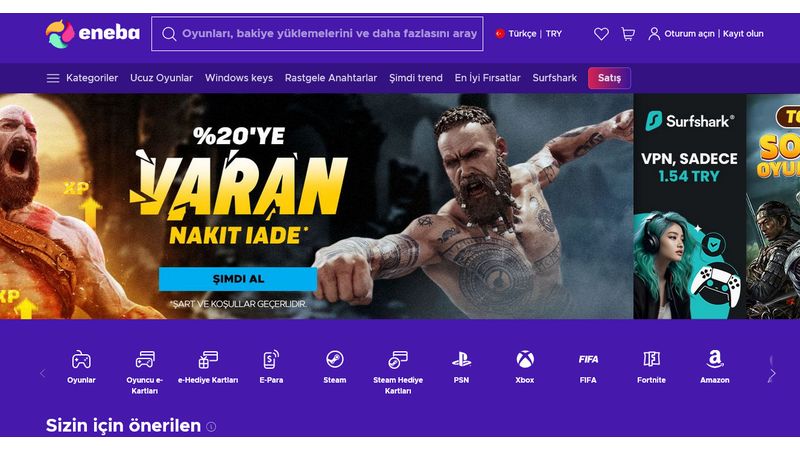
For players checking the price of Xbox Game Pass Ultimate 12 months, Microsoft lists Game Pass Ultimate at $29.99 per month and doesn’t directly sell a standard 12-month plan.
Eneba can be a reliable route for legitimate long-term codes or multi-month Game Pass Ultimate deals offering clear region tags, transparent offers, quick digital code access, and support in many markets. Eneba also offers Xbox Game Pass Essential options in many regions, helping players compare value before buying.
This kind of information naturally fits into a culture of recommendation. Friends don’t just tell you what’s worth playing; they also show you the smartest way to get there. A helpful tip can save money, clear up confusion, and help the group dive into the same game that same night.

Why Do Good Recommendations Keep Spreading?
People don’t forget the friend who directed them to a surprise favorite. That moment is lasting because it feels personal. It transforms a game into a shared point of reference, then into an in-group joke, and then into part of the group’s rhythm. A single piece of advice can lead to a month of intense group chats, screenshots, and rematch plans.
This is why recommendation culture remains so strong in console gaming. It’s built on trust, timing, and a genuine foresight into what someone might enjoy next. Store pages and trailers still have a place, but personal recommendations carry more warmth and credibility.
These recommendations become even more useful when they include smart ways to buy, gift, or subscribe, thanks to digital marketplaces like Eneba that offer deals on everything digital, helping players quickly dive into games recommended by their friends.
#collaboration
Read More: From Killstreak to Chillstreak: How Players Balance “Grind” with Rest Time?