According to the Designer of STALKER, the Definition of Eurojack is Unfair
STALKER was considered one of the best-known examples of the “Eurojank” concept, particularly used for games originating from Eastern Europe. These types of games, offering strong atmosphere and deep gameplay despite technical problems, were labeled with this term for years. However, recent statements from the series’ developers have sparked a new debate about the accuracy of this definition.
The STALKER Eurojank Debate Rekindled
Andrii Verpakhovskyi, one of the series’ designers, openly states that the term “Eurojank” is an unfair generalization. According to him, many memorable games from the past had technical problems, but these games weren’t labeled according to geography. The fact that Western games released around the same time and containing similar problems weren’t classified in this way makes him think the concept is unfair.
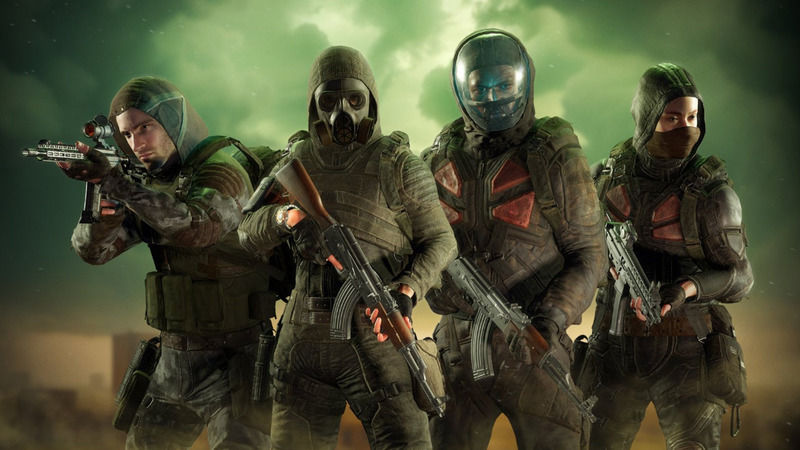
One point Verpakhovskyi highlights is this: games like STALKER weren’t intentionally made to be “incomplete” or “disorganized.” At the time, most teams consisted of developers new to the industry, and technical resources were quite limited. Therefore, the result was a reflection of the circumstances rather than a specific style.
This discussion actually brings back to the forefront a long-standing perception in the gaming world. For years, players described some European productions as “flawed but soulful,” while not showing the same approach to other games in similar situations. This may have led to the concept of “Eurojank” becoming a prejudice over time.
Today, game development processes are much more professional and global. However, the continued use of these labels from the past can be unsettling for some developers. This stance from the STALKER camp brings back the idea of evaluating games based on their content rather than labeling them.
Read More: The End of the Road Seems to Come for The Elder Scrolls: Blades