Are Superhero Movies No Longer Popular?
While movie theaters have been overflowing with superhero films in recent years, audience interest in the genre has begun to be seriously questioned. With four major superhero films coming out in 2025 and more planned for 2026, the concept of “comic book fatigue” has become a frequent topic of discussion. So, are superhero films really no longer popular, or are we just experiencing a transitional period? Let’s take a look together.
Are Superhero Films No Longer Popular?
From the mid-2010s onwards, thanks to the Marvel Cinematic Universe (MCU), superhero films became the undisputed kings of cinema. This trend, which peaked with the Avengers series, offered audiences a vast, interconnected story universe. Each film referenced previous films, and characters crossed over. This formula was so successful that it broke box office records, and studios earned billions of dollars.
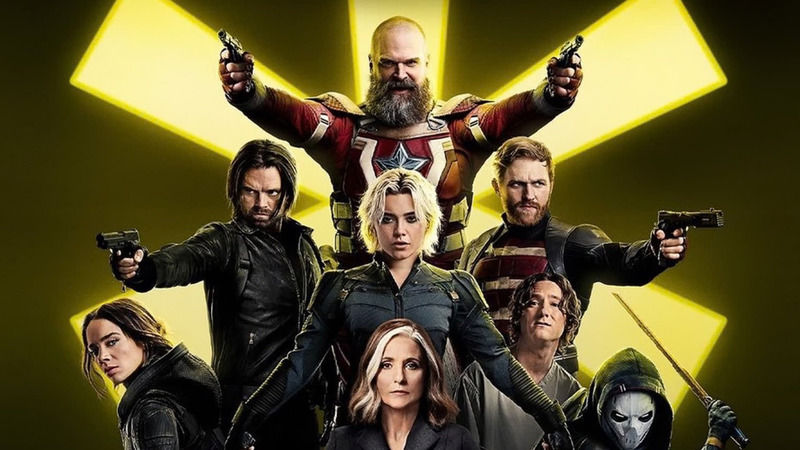
However, things started to change in the 2020s. Post-pandemic audiences became more selective. With dozens of Marvel and DC movies and series released every year, stories began to repeat themselves, and quality fluctuated. 2025 was the clearest indicator of this change. Marvel’s Captain America: Brave New World grossed approximately $413-415 million, while Thunderbolts* remained around $382 million.
Fantastic Four: First Steps performed slightly better, reaching the $520 million mark, but even these weren’t considered “absolute success” as they once were. DC’s Superman film, directed by James Gunn, became the highest-grossing superhero film of the year with $618.7 million. Still, it fell short of Man of Steel’s $670 million performance in 2013.
These figures are quite modest for films that used to automatically expect $800 million to $1 billion. Audiences are no longer rushing to see every new costumed hero in theaters. The desire for “one more” is more prevalent.
The Triumph of Project Hail Mary: The Original Story Can Still Win
Things got even more interesting in 2026. Amazon’s MGM Studios’ Project Hail Mary, starring Ryan Gosling and directed by Phil Lord and Chris Miller, captivated audiences. This two-and-a-half-hour space adventure, adapted from Andy Weir’s novel, was filmed with a budget of approximately $200 million. Although only a few weeks into its theatrical run, its global gross has already surpassed half a billion dollars, with a total expected between $650-720 million. Even IMAX screenings alone accounted for 20% of the box office during its opening weekend.
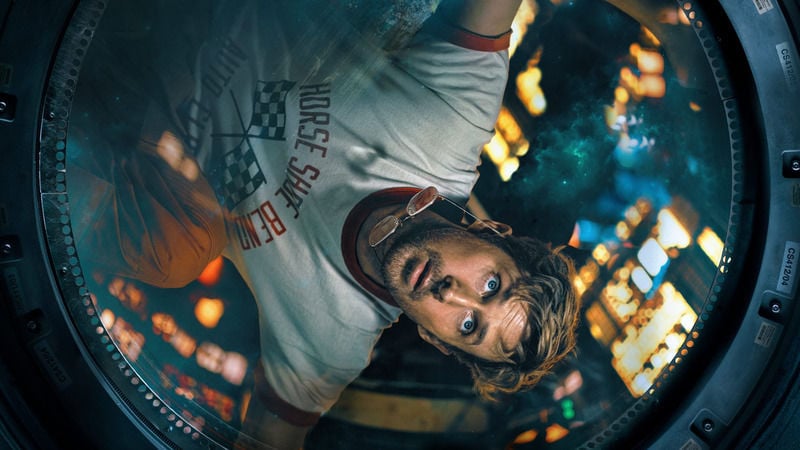
Imagine this: An original science fiction film surpassing (or at least competing with) Superman. A few years ago, nobody would have believed it. Similarly, in 2025, Apple’s F1 film with Brad Pitt achieved massive success, exceeding $600 million. These films appeal to the same demographic as superhero movies: action-loving, story-seeking, and visually stunning viewers. But what’s the difference? Originality and freshness.
Project Hail Mary doesn’t feel like Marvel’s or DC’s tenth sequel. The characters are new, the universe is new, the problems are new. The audience enjoys it without wondering, “Is this another multiverse film?” Lord and Miller’s entertaining and intelligent storytelling is an added bonus. This success shows that the superhero movie monopoly is being broken.
Comic Book Fatigue: Reality or Quality Problem?
Many people talk about “superhero fatigue.” But I think it’s not just fatigue. The problem is the decline in quality and overproduction. An epic story like the MCU’s Infinity Saga is rarely repeated anymore. A new “Phase” begins every year, the characters multiply, and the events become more complex. Viewers struggle to understand one film after another without having seen the previous one.
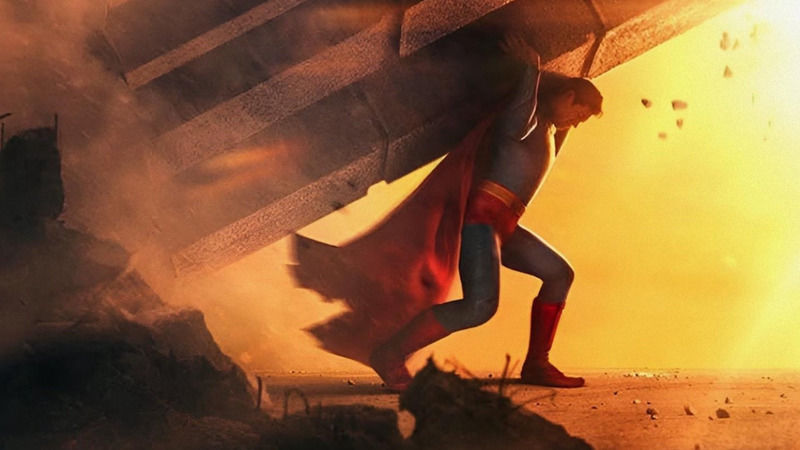
DC has experienced similar problems. While James Gunn’s new DCU offers hope, even Superman hasn’t reached its former peak. Spin-offs that “nobody wanted,” like Sony’s Spider-Man spin-offs, have also undermined confidence. Although there are exceptions like Deadpool & Wolverine in 2024, the overall trend is declining.
Even video game adaptations are now seen as safer than superhero movies. While productions like The Super Mario Galaxy Movie are doing well at the box office, comic book-based films have become risky. Iconic characters like Batman and Spider-Man are still strong (the Spider-Man: Brand New Day trailer broke records), but even they are no longer “guaranteed kings.” They now compete with original sci-fi epics, animated sequels, and creative storylines.
What Will Happen in the Future? Are Superheroes Dying?
No, superhero movies aren’t dying. They’re just changing. Marvel will be more cautious in adding X-Men to the MCU after Secret Wars. Kevin Feige is moving away from streaming and focusing on the big screen. DC will have films like Supergirl, thanks to James Gunn’s vision, but expectations are now more realistic.
The big shots (Batman, Spider-Man, Avengers) will always be around. But they won’t automatically top the box office. Audiences want quality, original stories. Films like Project Hail Mary prove this: a well-written, emotionally deep, visually stunning adventure can still fill theaters.
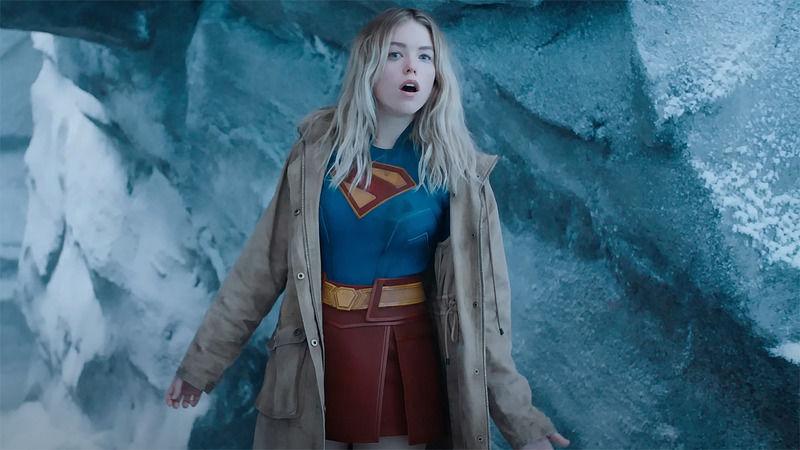
The lesson studios need to learn is simple: Quality over quantity. Instead of filling every year with “Phase,” they need to make rare but special films. Instead of multiverse fatigue, they need to focus on strong, singular stories. Audiences aren’t stupid; they reward good films and punish mediocrity.
I still love superhero movies. It’s great to relive the excitement of reading comic books as a child in the cinema. But now, not every film needs to evoke a “must-see” feeling. Cinema is diversifying, original ideas are returning. This is a healthy development for the industry.
Are superhero movies no longer loved? No, they still are. But not blindly as before. Now they have to be loved deservedly. The success of Project Hail Mary clearly shows what the audience wants: Fresh, intelligent, and sincere stories. If Marvel and DC learn this lesson, the genre can rise again. If not, original science fiction and creative productions will continue to take the throne.
Ultimately, cinema is the art of storytelling. Costumed heroes are nice, but if the story is weak, the audience says “next time.” 2026 and beyond looks set to be the most exciting period of this transformation.
Read More: Euro Truck Simulator 2 Spirit of Anatolia DLC Announced