
Everything Known So Far About Valve’s 12TB Data Leak
Valve’s 12 TB data leak, while initially appearing as a classic “big data leak” story, has a more complex picture. According to the leaked information, the archive contains old content from Steam’s early years, particularly the Steam2 era. Users reportedly accessed this old Valve Steam2 content through a public endpoint that didn’t require authentication. Therefore, the incident has sparked a serious debate about access control, not only from a historical perspective but also from a cybersecurity standpoint.
The most talked-about aspect of the leak is the alleged development materials contained within the archive. Early Portal 2 files, a Portal 2 build said to be from 2009, assets related to the canceled F-Stop project, and Sonic the Hedgehog 4 Episode II beta versions are among the prominent items. However, it’s important to note that Valve has not yet confirmed the entire archive, and claims regarding projects like Half-Life 3 or Half-Life 2: Episode Three remain unconfirmed.
Valve’s 12TB Leak Extends to Steam’s Early Era
According to the information revealed, the archive covers the period between approximately 2003 and 2013. This period is particularly significant because it extends from Steam’s early years to the transition to the SteamPipe system. Valve’s old content distribution infrastructure used GCF files, and later many Source-engined games migrated to the new VPK-based structure with the SteamPipe system. This transition suggests that development files remaining in the old repositories may be stored in completely different locations than the current Steam distribution system.
Therefore, the leak shouldn’t be seen simply as “old game files surfaced.” If the archive is truly as extensive as claimed, it may contain significant development traces from Valve’s and Steam’s first decade. Finished games only show us the final product; however, development files allow us to understand what ideas a game went through, what mechanics were tested, and what was later canceled.
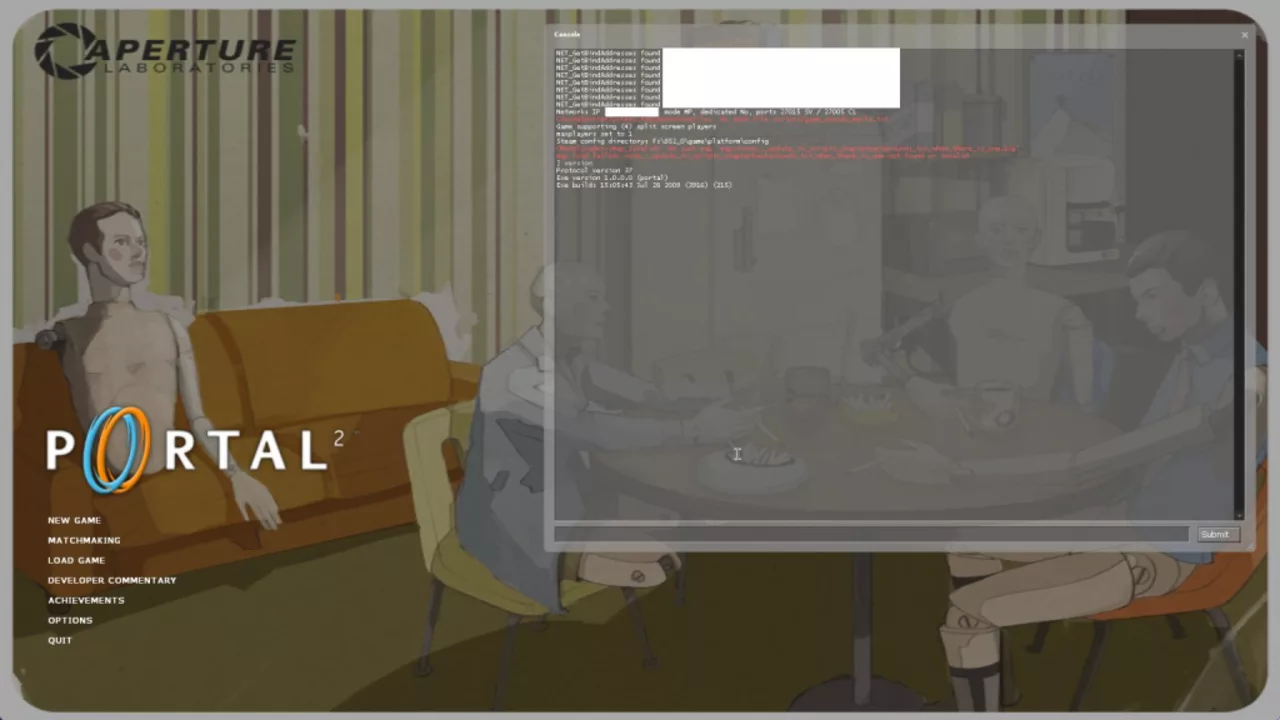
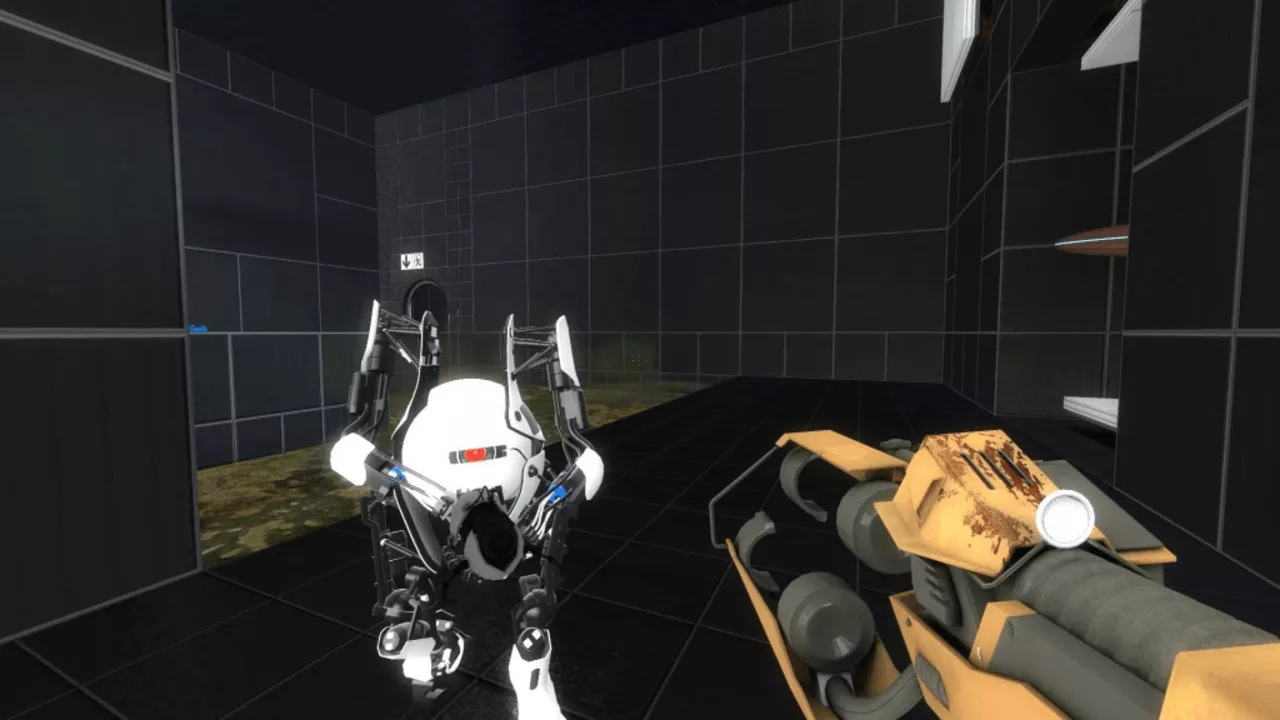
One of the most notable discoveries is on the Portal 2 side. Community researchers claim that the archive contains Portal 2 development materials dating from 2007-2011, early assets, and a build allegedly from 2009. Whether this build is a fully playable prototype, an incomplete development environment, or files collected from different periods is not yet certain.
Another topic generating as much interest as Portal 2 is F-Stop. It’s known that Valve worked on a different concept for Portal 2 in the early stages, instead of the portal gun, Chell, and GLaDOS. This idea, called F-Stop, relied on a mechanic of taking photos and manipulating objects from those photos. The claim that F-Stop assets may be found in the archive could bring to light a long-hidden part of Portal’s history.
Why Are Portal 2 and F-Stop So Important?
Portal 2 was released in 2011 with the portal-based puzzle gameplay that players know today. However, it has long been known that the game underwent a significant change of direction during its development. The early F-Stop concept suggested that Portal 2 could have taken a very different path than what we know today. Therefore, if the materials in the archive are verified, it will reveal not just a few old files, but significant evidence regarding Valve’s creative decision-making process.
F-Stop assets can be particularly valuable for game preservation efforts. Early character models, environmental designs, prototype mechanics, map fragments, animation data, sound files, and internal development tools are crucial for understanding how a canceled game took shape. However, as emphasized in the source, the presence of F-Stop assets does not mean that a complete F-Stop game is in the archive. Models and textures are one thing, a complete, executable game build is another.
Sonic and Third-Party Games May Also Be in the Archive
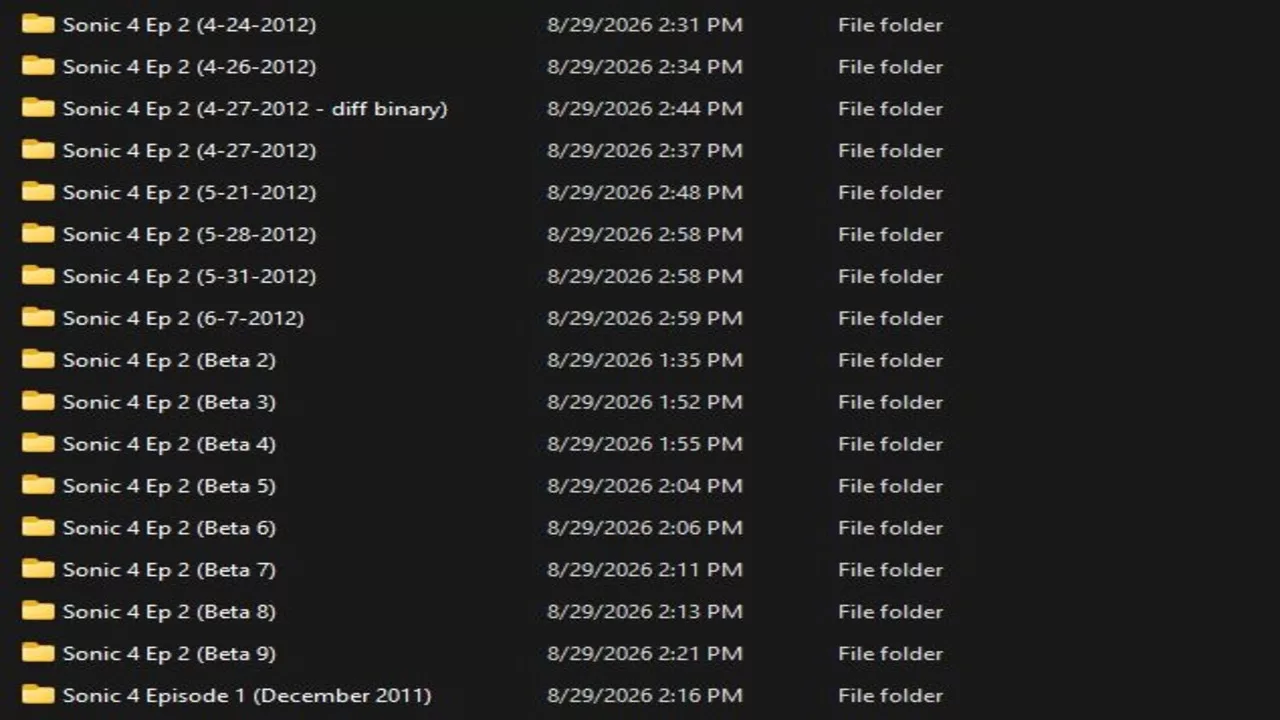
Leak claims are not limited to Valve games only. Community researchers have reportedly identified multiple beta builds for Sonic the Hedgehog 4 Episode II. If this information is confirmed, it means the archive may contain development materials not only for Valve’s own projects but also for third-party games distributed in Steam’s early days.
This makes the scope of the archive even more interesting. The presence of Sonic Generations, Sonic CD, Sonic Adventure, Sonic Adventure 2, and other Sonic games from the same Steam era has led to new speculation within the community. However, a game’s presence in the Steam catalog history doesn’t necessarily mean its beta version is also in the archive. Each file needs to be verified individually.
Half-Life 3 and Episode Three Claims Remain Uncertain for Now
Naturally, the greatest excitement was generated on the Half-Life side. As soon as the archives began to be discussed, claims about Half-Life 2: Episode Three and Half-Life 3 also came to the fore. However, it is necessary to be very cautious about this for now. As specifically stated in the source, there are some claims of assets allegedly belonging to Half-Life 2: Episode Three; however, there is no verified evidence that there is a complete playable Episode Three build in the archives. The same cautious approach applies to Half-Life 3.
At this point, the difference between a file name, model, weapon presence, or an unused object and a complete game build is very important. Since Valve’s canceled projects have been the subject of speculation for years, even the smallest file can turn into big claims. For now, the most sound approach is to consider the claims about Half-Life 3 and a complete Episode Three build as unconfirmed rumors.
The Real Security Issue: The Allegation of a Publicly Accessible Endpoint
The cybersecurity aspect of the incident is just as important as the game’s history. Allegedly, access to this archive wasn’t gained through stolen Valve employee accounts or a classic authentication bypass method. Instead, it’s claimed that access to the old content was gained via a publicly accessible endpoint that didn’t require authentication. If this is true, the incident could be considered less of a classic hack and more of a major access control error in the old infrastructure.
This distinction is crucial. Because saying “someone hacked Valve” is not the same as saying “an old content endpoint was accidentally left publicly accessible.” In the second scenario, the problem hinges on why authentication wasn’t implemented, why the old infrastructure was still accessible, and why such a large amount of historical data wasn’t protected.
The idea that old data is unimportant from a security standpoint is also incorrect here. Development archives can contain internal tools, prototypes, test materials, configuration files, proprietary assets, and commercially sensitive information. The fact that files are old doesn’t automatically mean they should be publicly accessible.
A Major Discovery in Game Preservation from a Historical Perspective
If the archive is verified, this event could become a major discovery for game preservation efforts. Development archives reveal things that finished games don’t. An early version of a map, a canceled puzzle, unused character models, or early gameplay systems are invaluable for understanding the unseen side of game history.
Seeing how Portal 2 evolved from F-Stop to its current state could be significant not only for fans but for anyone interested in game design. Similarly, information about how games were packaged, distributed, and developed during Steam’s first decade could offer a broader picture of PC gaming history.
Valve’s 12TB leak is currently seen as both a major game history event and a serious security controversy. If the materials allegedly found in titles like Portal 2, F-Stop, and Sonic the Hedgehog 4 Episode II are indeed verified, the archive could be invaluable for game preservation efforts. However, there is no reliable evidence yet to support claims such as Half-Life 3 and a complete Episode Three build.
The most critical point is how the archive became accessible. If these files were indeed downloaded via a publicly accessible endpoint that didn’t require authentication, it would be more than just a leak; it would be a powerful example of how significant the risks of outdated infrastructure can be. Old data doesn’t mean forgotten data. Valve’s 12 TB leak is a perfect example of this.
Read More: “I Paid for It, Why Yours?” PS Store Lawsuit Begins