Xbox’s 2011 Disc-to-Digital Idea Was Much More Innocent
Xbox has long been experimenting with various ideas regarding the transition from physical games to digital licenses. The disc-to-digital system, recently revived in discussions, isn’t actually a new project. According to leaked information, Microsoft considered a similar structure for the Xbox One back in 2011, but largely shelved the plans due to the backlash at the time.
Microsoft’s initial plan for the Disc-to-Digital System in 2011 was quite different
Microsoft’s initial plan envisioned players being able to convert their physical games to digital licenses by taking them to stores. Furthermore, it aimed to allow for the gifting of digital games, the transfer of licenses, and even the creation of a digital system similar to a second-hand market. In short, the goal was to transfer some of the advantages of physical media to the digital world.
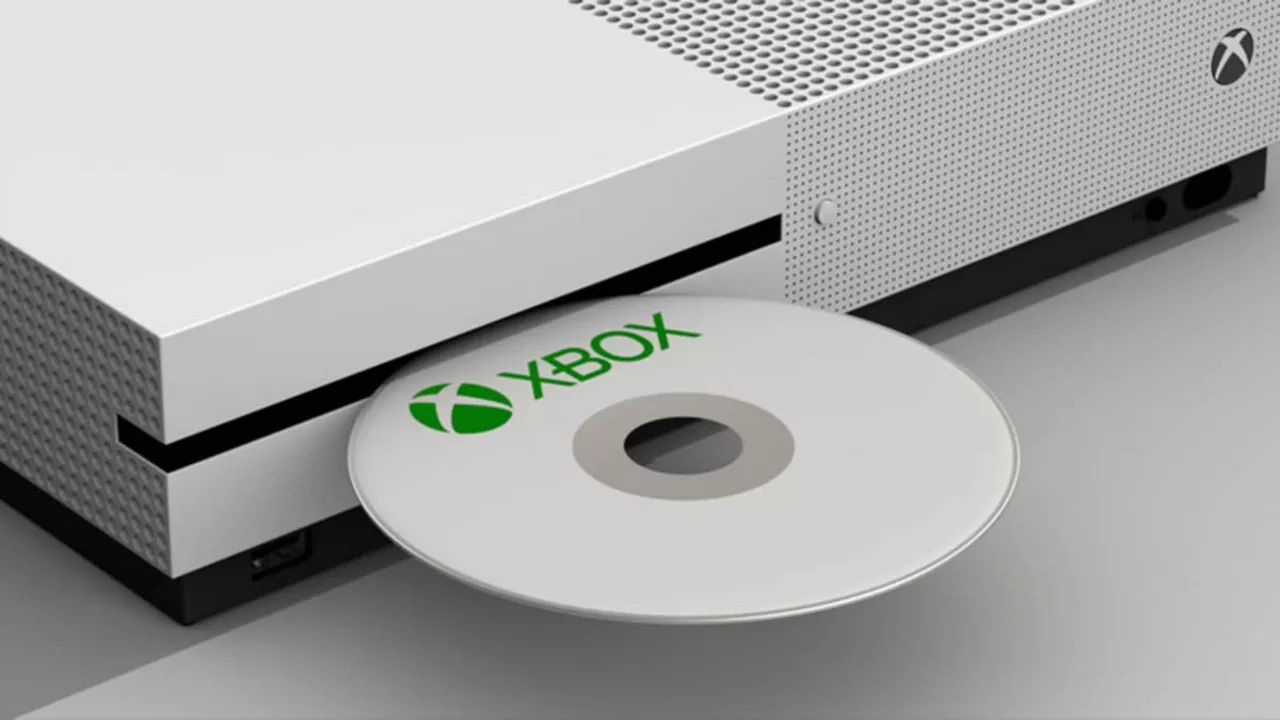
However, for this to work, the Xbox One needed to be constantly connected to the internet. When the console was introduced in 2013, the strong backlash against the “always online” approach led Microsoft to backtrack. Thus, the company abandoned not only the online requirement but also a significant portion of the broader digital licensing system that was planned alongside it.
Interestingly, Microsoft had actually made some preparations on the hardware and disc side at the time. The unique serial numbers placed on Xbox One game discs are said to have formed the basis of the disc-to-digital system used today. This allows some physical games from the Xbox One and later generations to be converted to digital licenses on current-generation consoles.
Nevertheless, a complete return to the 2011 system doesn’t seem easy. For digital licenses to be transferred, resold, or gifted, publishers also need to accept the same rules. While some large companies like Ubisoft have supported the current system, it’s not necessary for everyone to agree. Looking back, Xbox’s idea from 15 years ago seems surprisingly player-friendly, but the digital gaming world now has a far more complex licensing structure than it did then.
Read More: Stranger Than Heaven will Span Five Different Historical Periods