
Activision Blizzard is in big trouble
The Italian Competition Authority has launched two separate investigations into Activision Blizzard and its parent company Microsoft, focusing on their involvement in the mobile gaming market. The investigations center on two of the company’s most popular titles: Diablo Immortal and Call of Duty Mobile. Authorities believe that some design and marketing methods used in these games may mislead consumers.
Activision Blizzard Mobile Gaming Policies Under Scrutiny
The Italian regulatory body, Autorità Garante della Concorrenza e del Mercato, states that despite being marketed as “free,” these games have mechanics that keep players engaged for extended periods and force them to spend money. It emphasizes that limited-time rewards and notifications that create a fear of missing out unknowingly push users to spend more money.
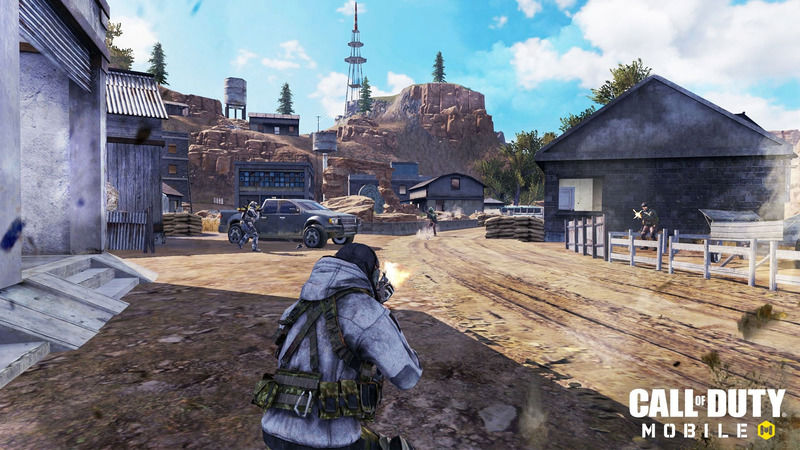
Another point highlighted by the institution is virtual currencies. It is stated that the in-game currency systems lack sufficient transparency regarding their real-money equivalent, and bundled sales make it difficult for players to track their total spending. This situation can lead to much higher-than-expected spending, especially for regular players.
Children and young players also feature prominently in the investigation. Allegations include weak default parental control settings, allowing underage users to easily make in-game purchases and play for extended periods without restrictions. Furthermore, it is argued that in-game chat systems are not adequately restricted.
In addition, the use of personal data is under scrutiny. Authorities believe that users are prompted to approve all data permissions at once during the registration process, making it difficult to make an informed choice. While Activision Blizzard has yet to issue an official statement, the outcome of the investigations could affect not only the company but also the future of monetization models in the mobile gaming industry.
Read More: The Speedy Gonzales movie is being revived with a new director