
Why Do Players Pour Money into Cosmetics?
Cosmetic microtransactions are now commonplace in live-service games. While players initially claim to focus solely on gameplay, many reach for their wallets when a new costume or weapon design is released. This habit has become an integral part of gaming culture and business models.
Cosmetic Habits Shape Gamer Culture
For players, cosmetic options aren’t just visual adornments; they’re practically a new gameplay cycle. Those looking to personalize their characters and stand out are turning to paid options. While free alternatives exist, they’re generally not preferred. This creates a culture called the “visual meta”—everyone wants to look different, making the purchasing cycle a natural one.
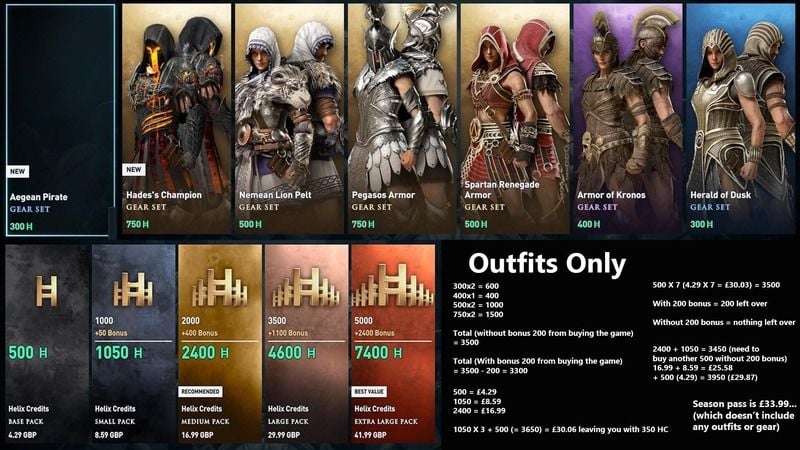
Social pressure also accelerates this process. In online worlds, no one wants to appear as if they’ve “just finished training.” Teammates joining the game with rare skins encourages others to buy. Streamers understand this and exploit players’ fear of missing out with limited-time content. This way, even those who say “I won’t buy” eventually join.
This situation also has its downsides. Because premium cosmetics generate revenue, developers focus their time and talent on store content. While gameplay updates don’t take a back seat, keeping the store constantly stocked becomes a priority. Players, in turn, begin to pursue appearances rather than achievements. When new packs are released, their motivation to join the game becomes more about appearance than content.
Cosmetics will become even more advanced in the future. More creative designs and customization options will be offered, but this will come at a cost. As games become increasingly store-centric, players will continue to participate even if they are aware of this cycle. The cosmetic economy will continue to shape the future of live service games.
Read More: Voting for the Steam Awards 2025 has begun